
Teachers, new and veteran, will tell you that they are always learning from their students, and one thing that first-graders at PNA hear is that they are often the best teachers. They can see and express concepts differently than the classroom teacher, which can make the content more relatable to their peers. In fact, according to Teachthought.com, there have been multiple studies from universities such as Stanford, on “peer teaching” and its benefits to both the student doing the teaching and the student doing the learning. At PNA, students have the opportunity to learn and educate their peers daily. They do math games together, conference with writing partners, read with a classmate during reading rotations, and share content for multiple projects throughout the year — allowing the students to interact, share ideas & strategies, and grow from one another.
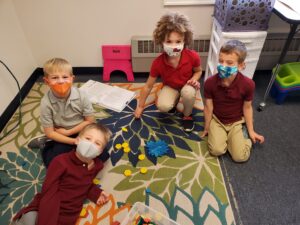

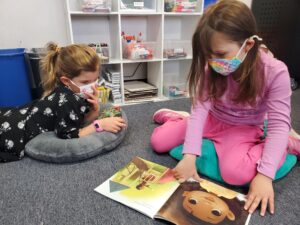
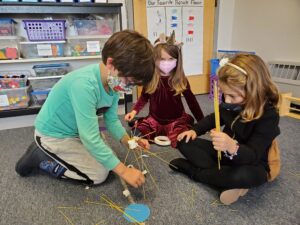
First graders recently learned that trash was ending up in the class recycle bin, and some recyclable items were ending up in the classroom garbage bin. Looking at another classroom’s garbage bin, they discovered that they were not the only class doing this! Why was this happening? Students brought up that maybe some students “didn’t know what was supposed to go in each bin,” that “the bins looked almost the same,” and that the label on the recycle bin was hidden the way it was positioned in the classroom.
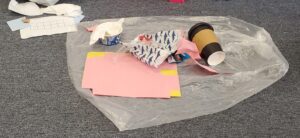
Students immediately began to problem solve and share their ideas with the whole group. “What if we position the bins this way?” What if we made signs!” “What if we moved the bins to another part of the classroom?” The students voted, and the lesson their teacher had intended to teach had now become a project with first graders leading the way with excitement and motivation!
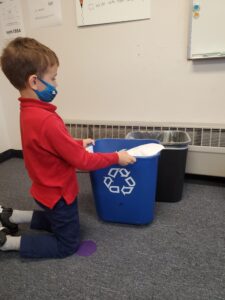
To move forward with the project, students were first educated on what items can be thrown in the garbage and what can be thrown in the recycling. They were also taught vocabulary terms such as reduce, reuse, and recycle to learn how they could do a better job beyond placing items in the correct bin.
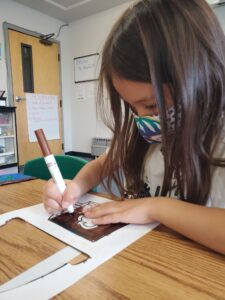
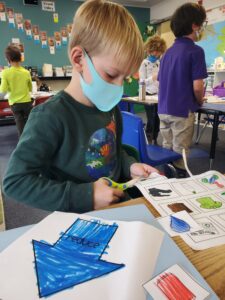
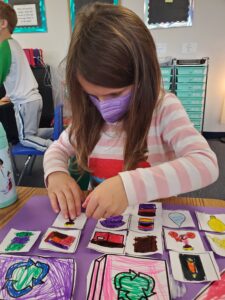
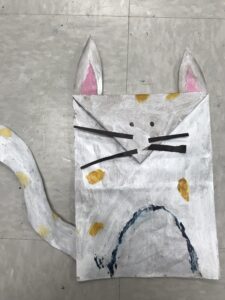
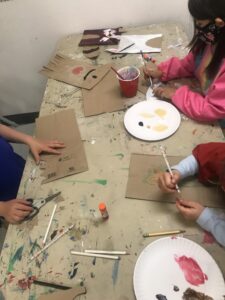
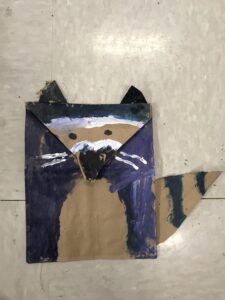
To expand this, students also made art with reusable items to be more aware of what they are wasting and what they can continue to do to help. They just completed the first art project and will make another in the week to come!
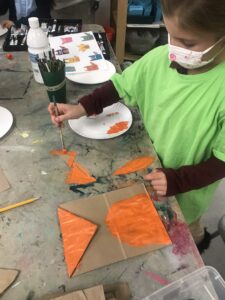
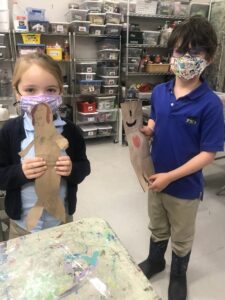
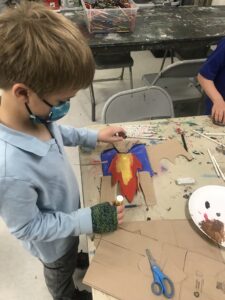
Students were ready to make the signs! They knew the vocabulary and drew and cut out images for each category. They decided that these images would help all peers (Preschool – 8th grade) understand what each bin represents and what belongs in the bins. In the meantime, the first-grade classroom’s garbage and recycling bins have been used noticeably more correctly.
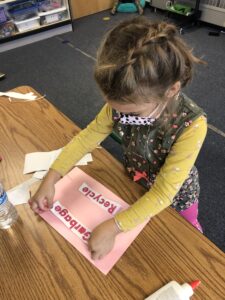
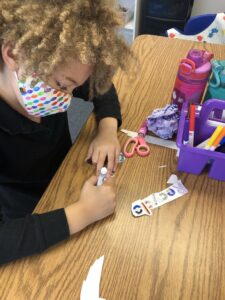
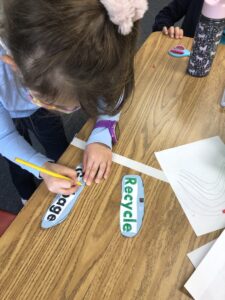
The signs are made and laminated! Next, students will make videos in which they will share their final product and the purpose of the project. These videos, along with the signs, will be distributed to all PNA classrooms. By “peer teaching,” through these videos, first graders are reinforcing their learning and making the content more relatable and meaningful to the students in the school, which will not only help PNA’s student body to understand how to sort and reduce waste but will allow students to see that their ideas & words are powerful and they can make a difference.
Staff, TeachThought, and About The Author TeachThought Staff TeachThought is an organization dedicated to innovation in education through the growth of outstanding teachers. “The Definition of Peer Teaching: A Sampling of Existing Research.” TeachThought, 7 Jan. 2020, https://www.teachthought.com/pedagogy/the-definition-of-peer-teaching-a-summary-of-existing-research/.