
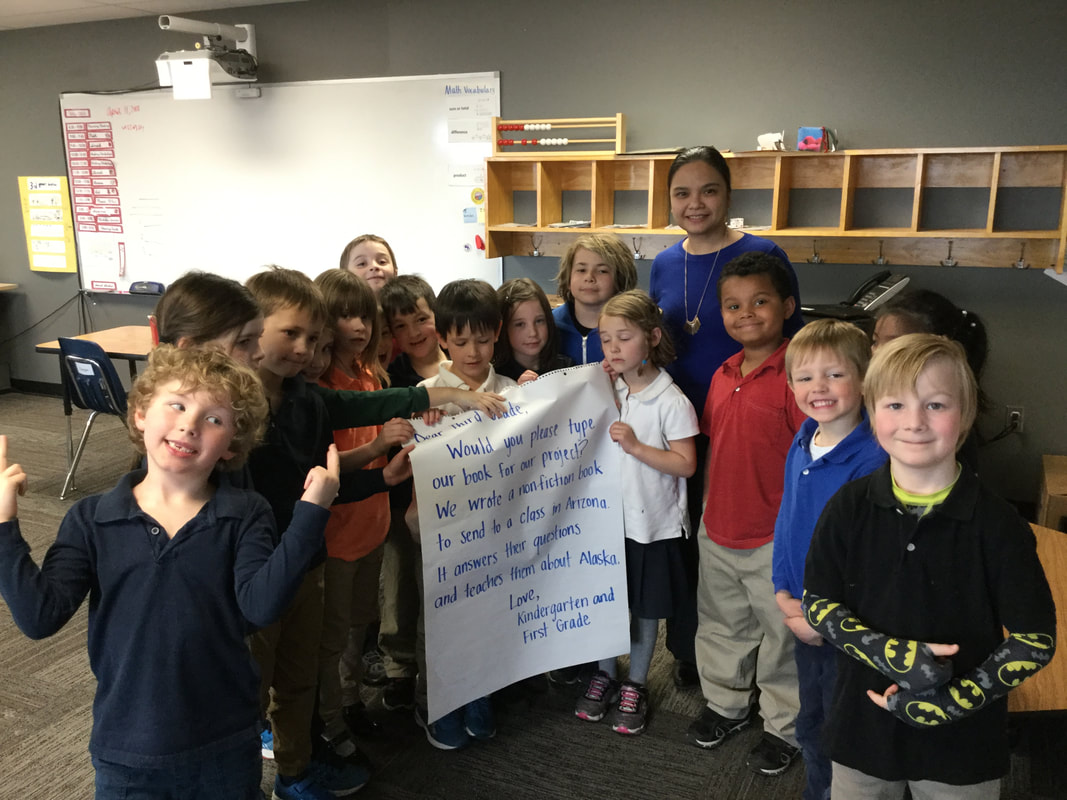
Collaboration is defined as the action of working with someone to create or produce something. Recently, our kindergartners had the opportunity to collaborate on a few projects. At this point in the year, after much practice throughout the year, most students do this naturally but others still need to be coached through working together and sharing ideas to create one outcome. This can be a difficult skill to master, but with repeated practice, it will become second nature for our students.
|
|
|
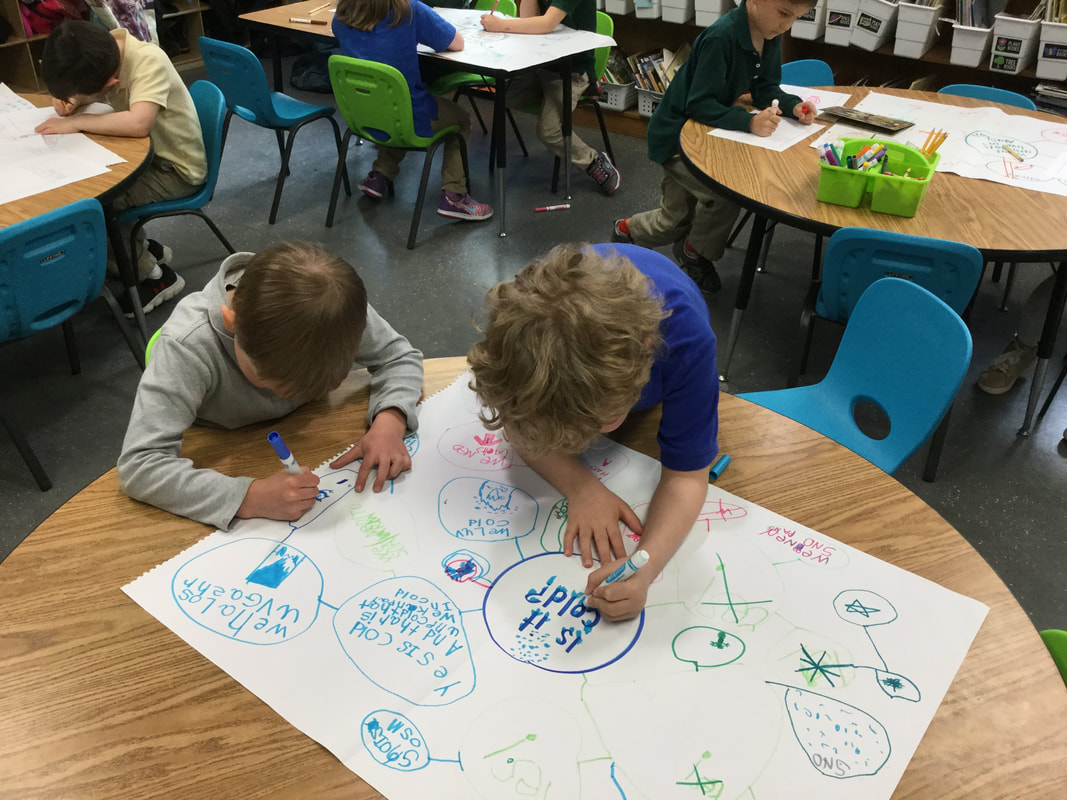
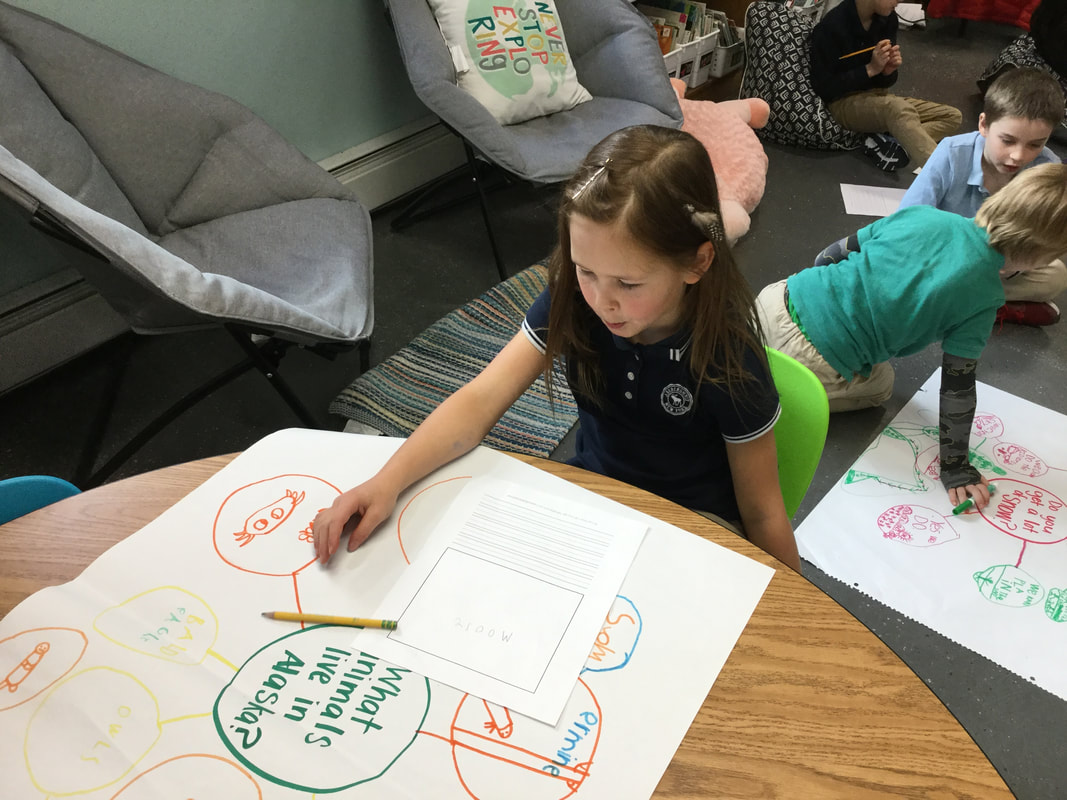
What’s the benefit of working so hard to teach students to collaborate? Not only is collaborating fun for them, but it also addresses the needs of the whole child and helps students develop important life skills. According to a post from Cornell University’s Center for Teaching Innovation, “the benefits of collaborative learning include:
- Development of higher-level thinking, oral communication, self-management, and leadership skills.
- Promotion of student-faculty interaction.
- Increase in student retention, self-esteem, and responsibility.
- Exposure to and an increase in understanding of diverse perspectives.
- Preparation for real life social and employment situations.”
|
|
|
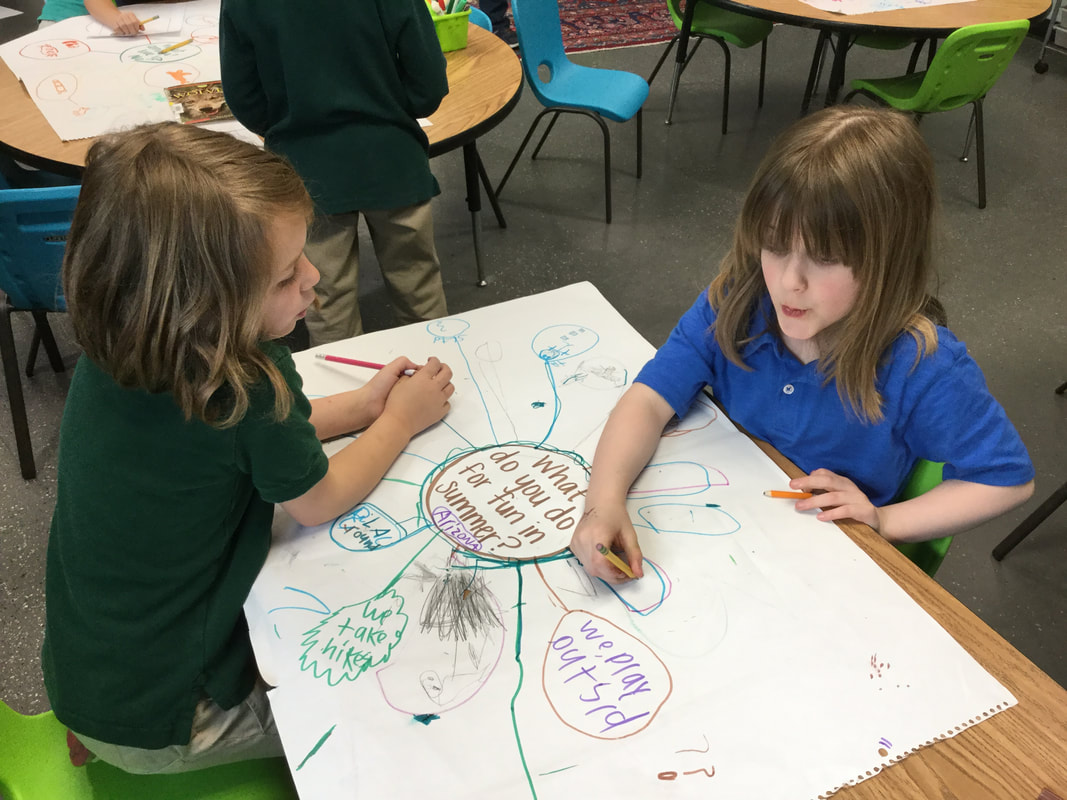
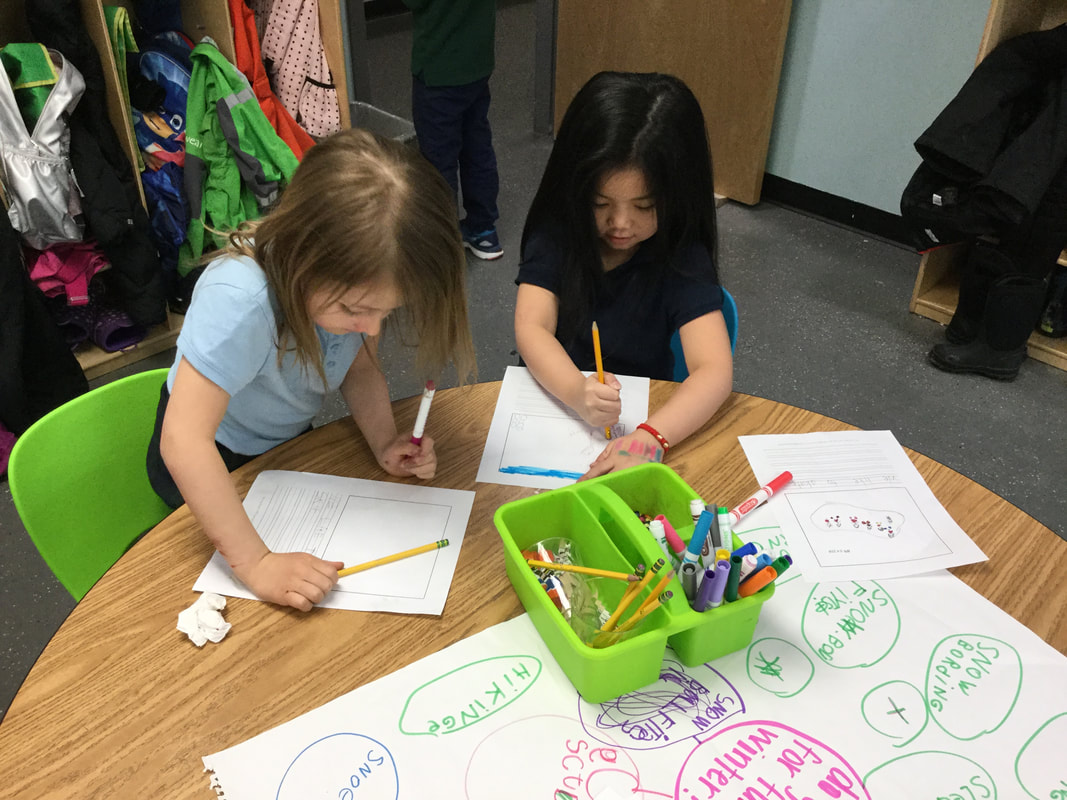
Additionally, experience has shown me that sharing ideas with others and collaborating on projects often leads to better, more creative outcomes. When we collaborate, we are able to support each others’ strengths and weaknesses and build on and expand each others’ ideas. Therefore, students are not only growing socially, emotionally, and academically as a result of the process of collaborating with others, but they are also producing better products because of their collaborations.