
Entrepreneur and philanthropist Richard Branson says, “Every success story is a tale of constant adaptation, revision, and change.” I am sure that a combined kindergarten first grade classroom midyear is not what you had envisioned for your child’s school year. However, I am positive that we will all grow as a result of this change and that we will be stronger and more successful as a result of it.
“Every success story is a tale of constant adaptation, revision, and change.”
Building structure and routine is something that we spend a lot of time on in the beginning of the school year and typically only review midyear. I know it can be overwhelming, and even frustrating, to focus on structure and routine midyear. (And I know that change itself can also be overwhelming, frustrating, and uncomfortable.) That being said, it is the structure and routine that will allow me to simultaneously teach kindergarten and first grade and meet the needs of all of my students, to challenge the students who need to be challenged and give support to the students who need support. The routines and structure are integral to making any classroom run smoothly, but will be especially important for our newly combined classroom. I want to make sure that your child will be engaged and learning all day, whether they are working as a whole group, independently, or individually or in small groups with me or Mr. Redhead.
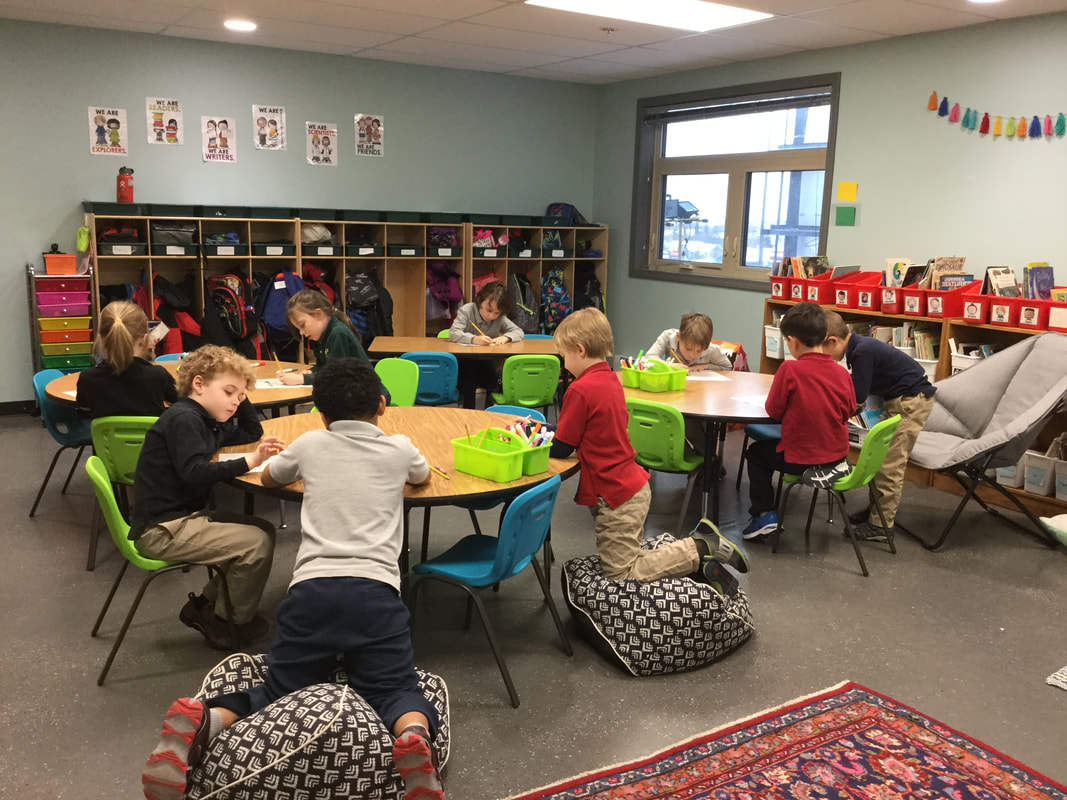
For this reason, I am taking the time to ensure that students know what is expected of them and how to meet those expectations. Although it might be frustrating right now, this will pay off for the rest of the year in our combined classroom. Our kindergarten and first grade students have a tremendous responsibility to focus on their job or task (while other students are doing other jobs and tasks), listen to and follow directions the first time, work independently while I am working with other students, and transition from one activity or task to another calmly, quickly, and quietly. I know our first graders are up for the task, but it will take time to build the scaffolds, structure, and routines that will allow them to do the things I just mentioned.
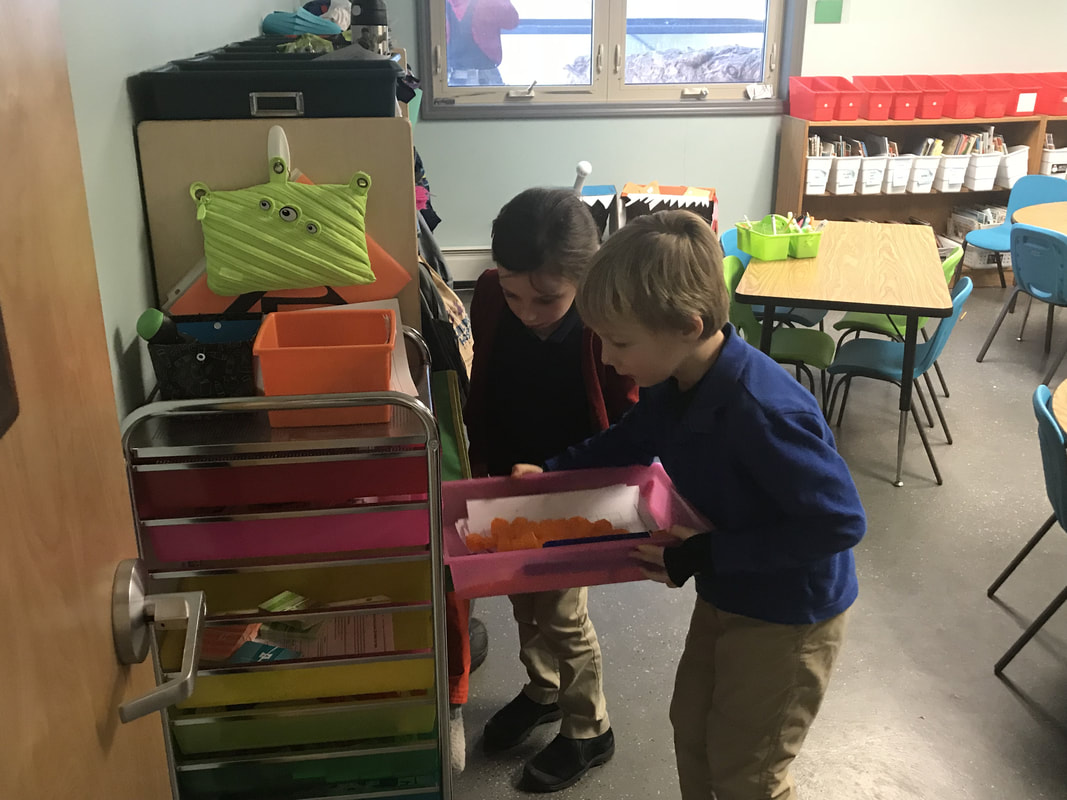
Mr. Redhead and I have been assessing the students, and I will level them so that they are all working at a level that is just right for them. Currently in math, all the first grade students are playing math work stations from the first grade curriculum, taking assessments, and learning the expectations and routines for math in the combined classroom. We are especially working hard to work quietly (We learned quickly just how much louder 18 voices can get than 11!) and transition from task to task calmly, quickly, and quietly.
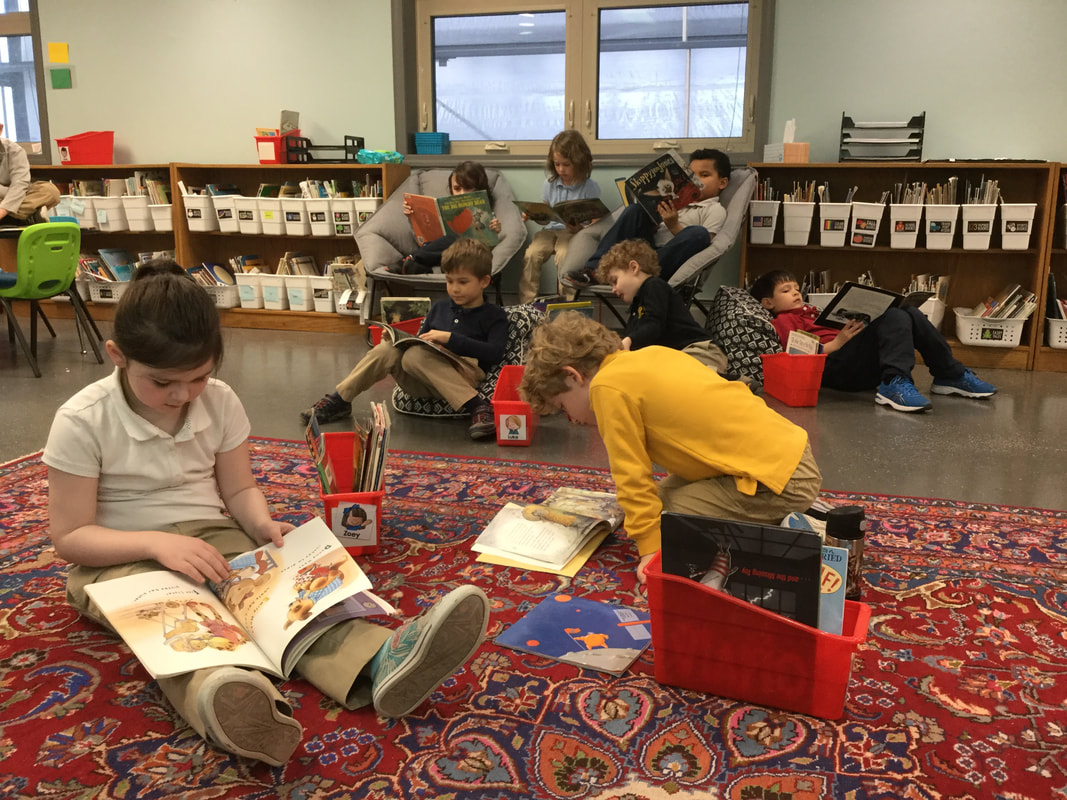
In reading, we are building our stamina for independent, or private, reading. When we can privately read for 10 minutes, we will work on partner reading for 10 minutes. The class increased their private reading stamina from 2 1/2 minutes to 7 minutes this week. Students, scattered around the room with book bins full of “good fit” books, are expected to get started right away, stay in one spot, read the whole time, and read quietly. As soon as one student is unable to sustain one of these expectations, the stamina is broken, and we meet back at the carpet to check in and debrief.
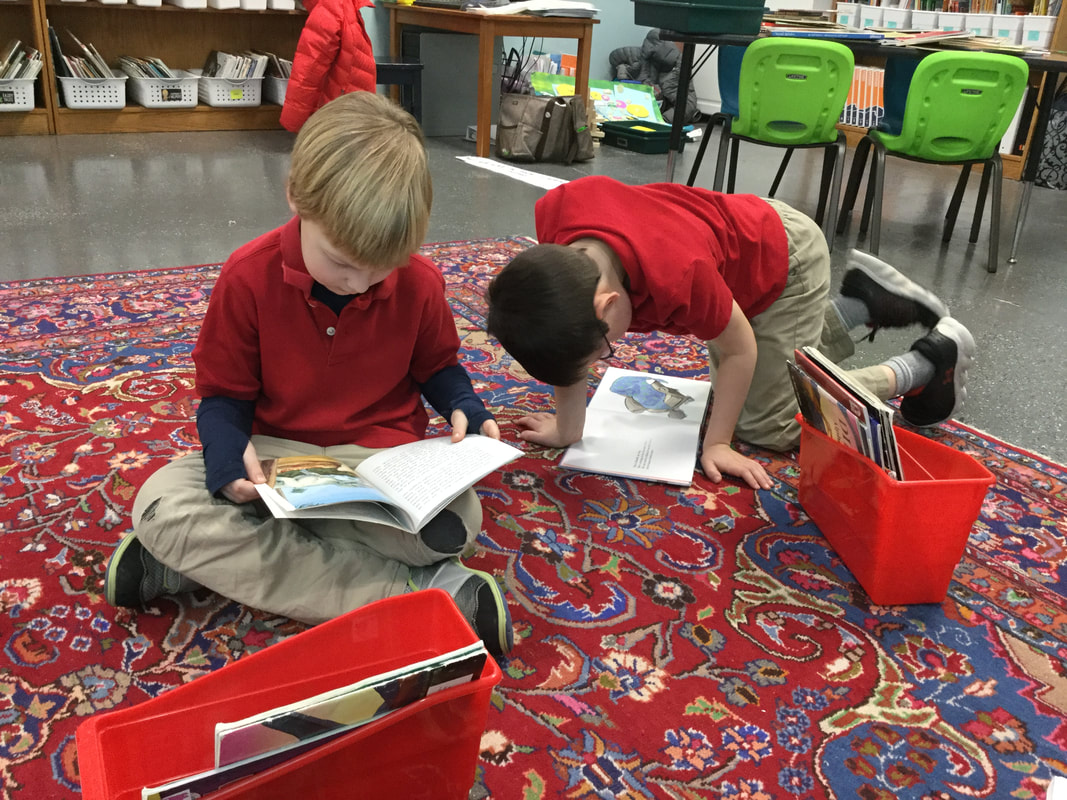
During the debrief, students give a thumbs up or a thumbs down for each of the four behaviors mentioned above and set a goal for the next session. This not only helps students build reading stamina, but it helps them grow by setting personal goals as well. It also gives us an opportunity to work on our growth mindset. During our debrief sessions, we discuss how it is okay if our stamina is not 10 minutes yet because we will keep growing our stamina bit by bit as we try hard to meet our goals. We grow and learn through mistakes, effort, and perseverance.
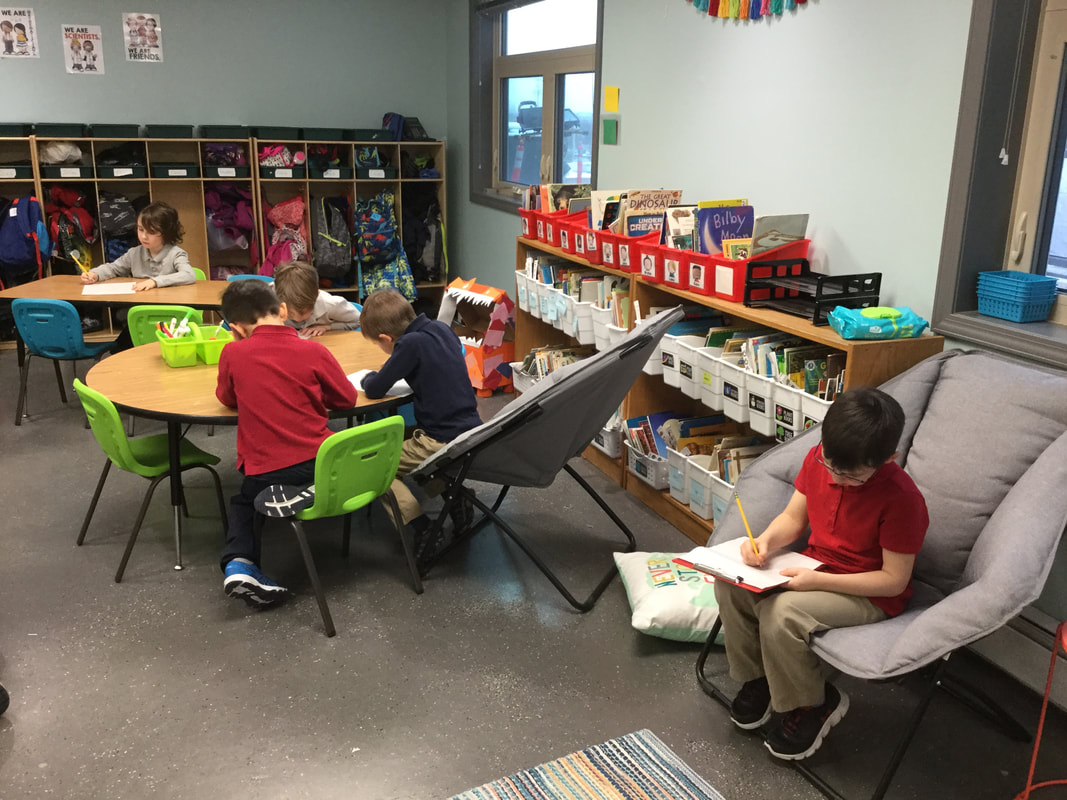
It also solidifies the concept that we are a community of learners, and we need to support each other and work together to learn and grow, especially since some students can sustain independent reading for longer than 7 minutes. As a reading specialist, I know how important individualized attention is to increasing students’ reading abilities. I also know that it is impossible for me or Mr. Redhead to effectively give your child that individualized attention if other students in the class are not able to work independently for the amount of time we are working with a small group. For this reason, the entire class needs to reach our stamina goal of 10 minutes before Mr. Redhead and I can work with small groups.
|
|
|


Next week, we will continue with assessments for both reading and math so that I will know exactly how to meet your child’s needs and so that I can share and celebrate their growth with you. Thank you for your patience and understanding as we build this new community of learners. I look forward to when we can all look back and see this as a success story.