
Using this approach we understand that all of a students’ needs – academic, social, emotional and physical – are important. This is teaching to the whole child. At PNA we create an environment that responds to all of those needs using practical strategies for bringing together social and academic learning throughout the school day so that your child can do his or her best learning.
Key responisve classroom practices include the following:
– Morning Meeting – Guided Discovery
– Creating Rules – Classroom Organization
– Interactive Modeling – Academic Choice
– Teacher Language – Collaborative Problem Solving
– Logical Consequence – Working with Families
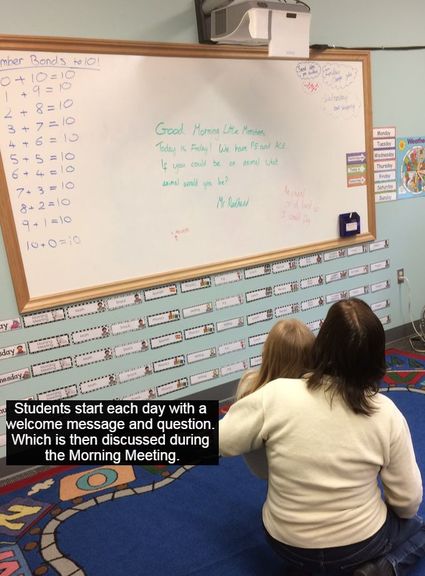
The Morning Meeting is an integral part of Responsive Classroom and starts the day of in a positive, engaging and fun manner as well as bringing students together, building peer relations and developing social skills. Each and every morning meeting consists of:
- Morning Message: Students read and interact with a short message written by their teacher.
- Greeting: Students and teachers greet one other by name and a handshake.
- Sharing: Students share information about events in their lives.
- Group Activity: Everyone participates in a brief, lively activity that fosters group cohesion and helps students practice social and academic skills.
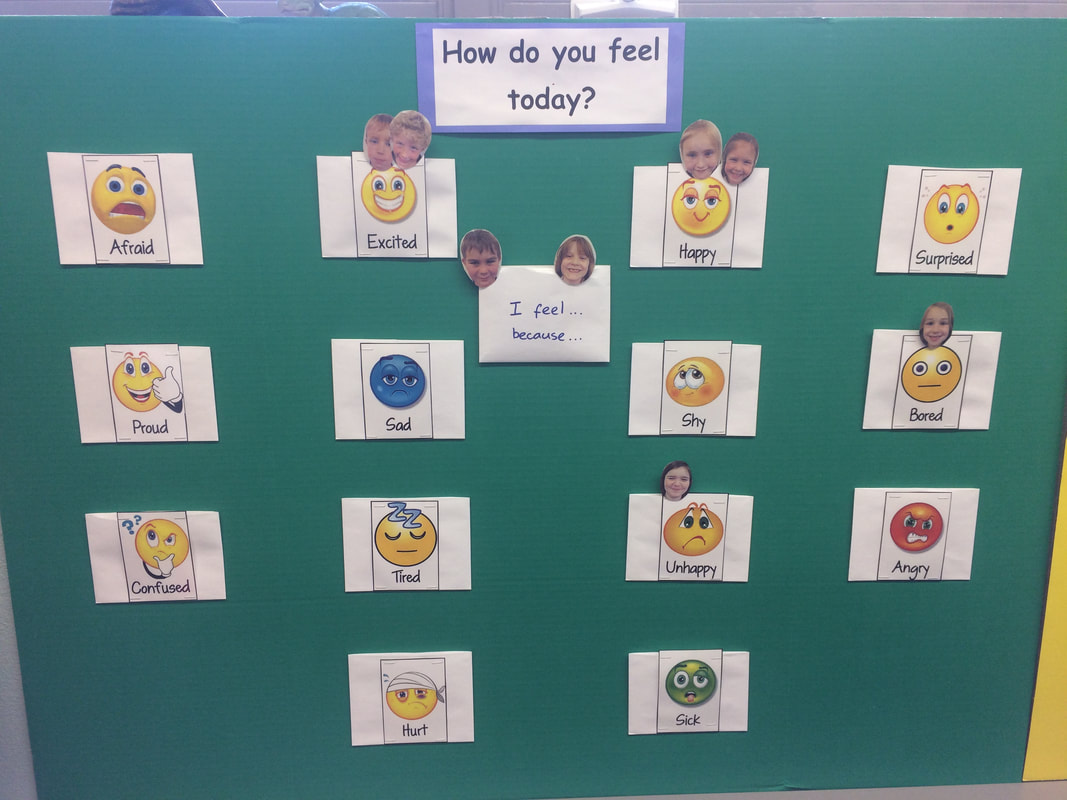
Our ‘How do you feel today?’ board is a great tool for students to use to express themselves espically as it can sometimes be tricky to describe your emotions. Students choose where to put their face, on a emotion that they are feeling. This can then be used to prompt a discussion with the student to foster a positive and welcoming class environment.
“I notice you have put your face on sad. What has caused you to feel this way?”
“Did you speak to your friends about how you were feeling?”
“What choices could we have made instead?”
“I see you are excited what are you looking forward to?”
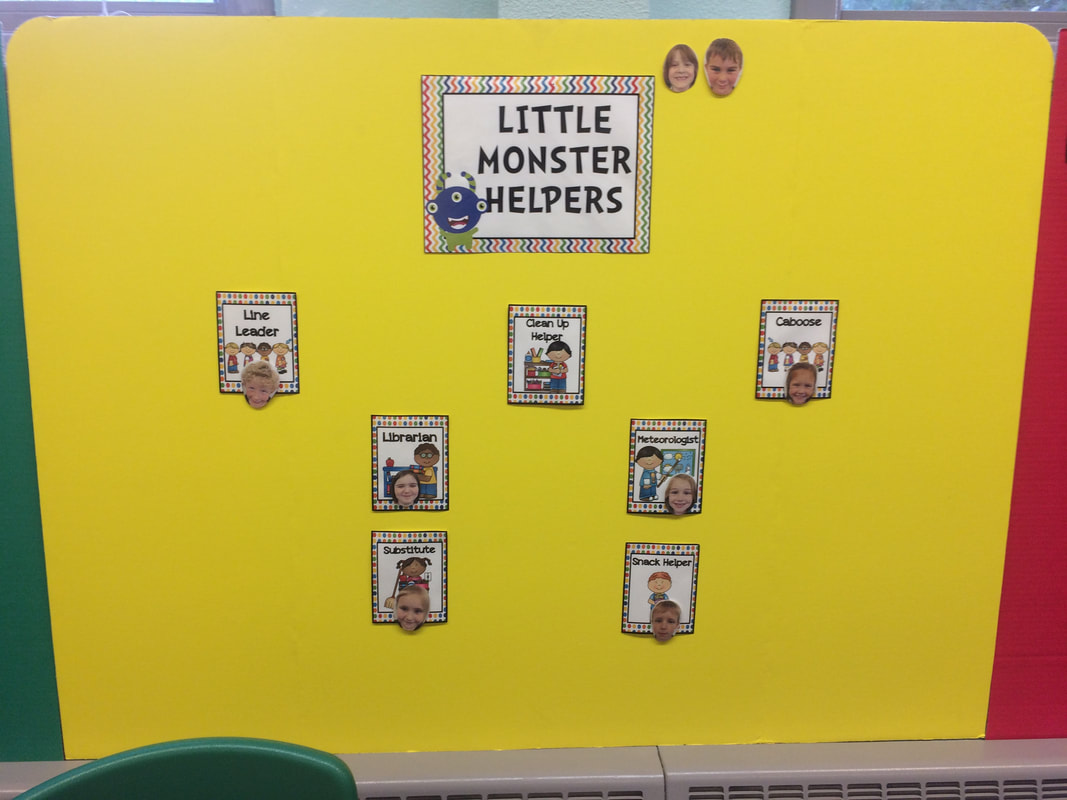
It is the students classroom not just the teachers.