This week in our Beluga pod we have been continuing with our apple theme. We have been reading many apple-themed books, learning about the life cycle of an apple tree, and weighing and measuring apples. Next week we plan on tasting different kinds of apples and apple products, cooking with apples, and even playing with apple pie-scented playdough! One of the favorite activities of this week, however, was our new apple-themed sensory bin. It was filled with oats, cinnamon sticks, play apples, red glass balls, and all kinds of scoops, spoons and bowls for the children to play with. It was so popular that we literally had to set a timer so everyone got a fair turn!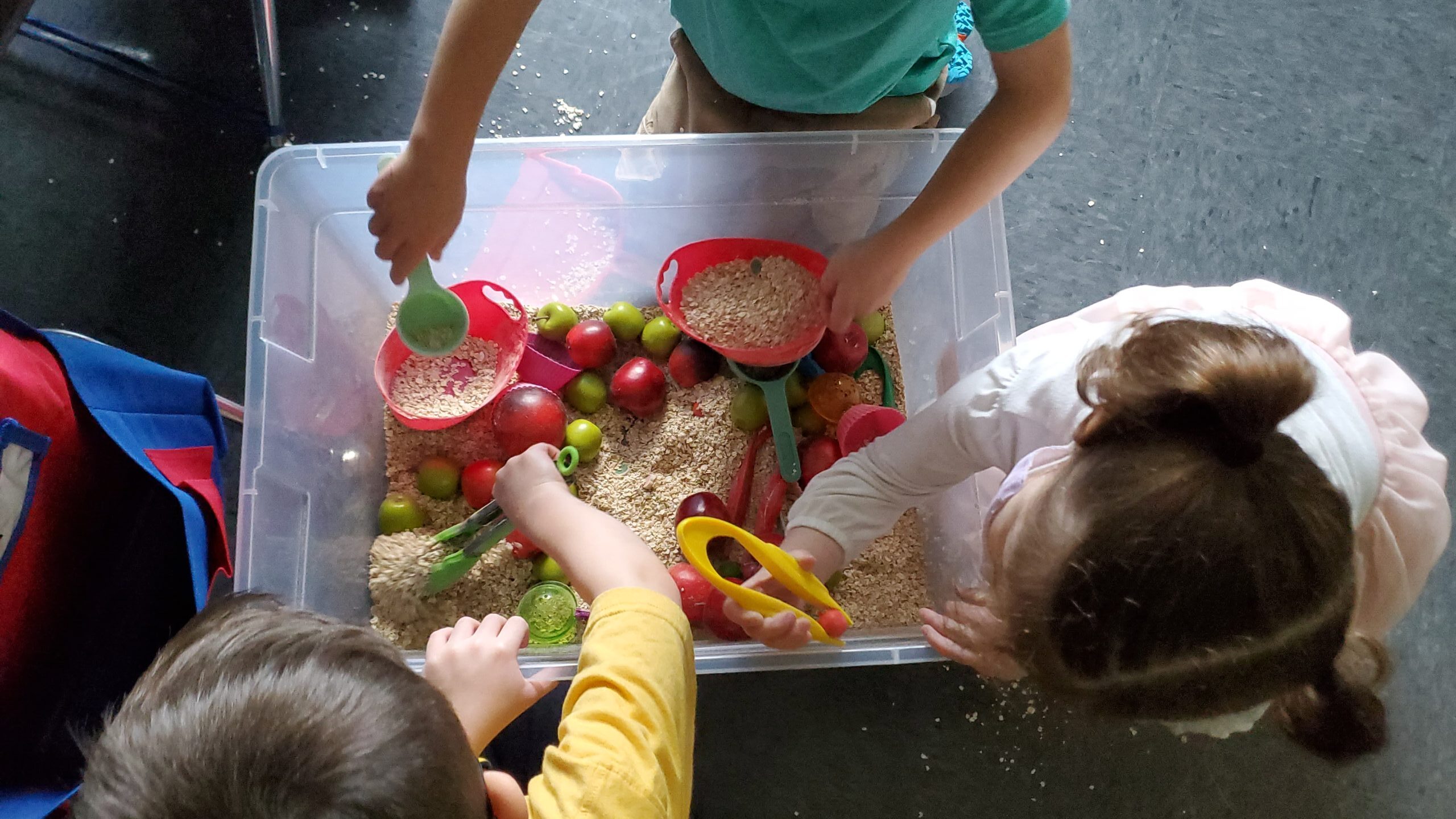
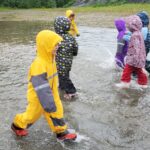
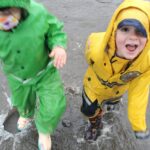
Most children’s common early learning experiences are full of such things as sandbox and water play, mud puddles, finger-painting, and playdough, but there are so many other was to stimulate a child’s senses! But why, exactly, is sensory play such an important part of early childhood learning environments?
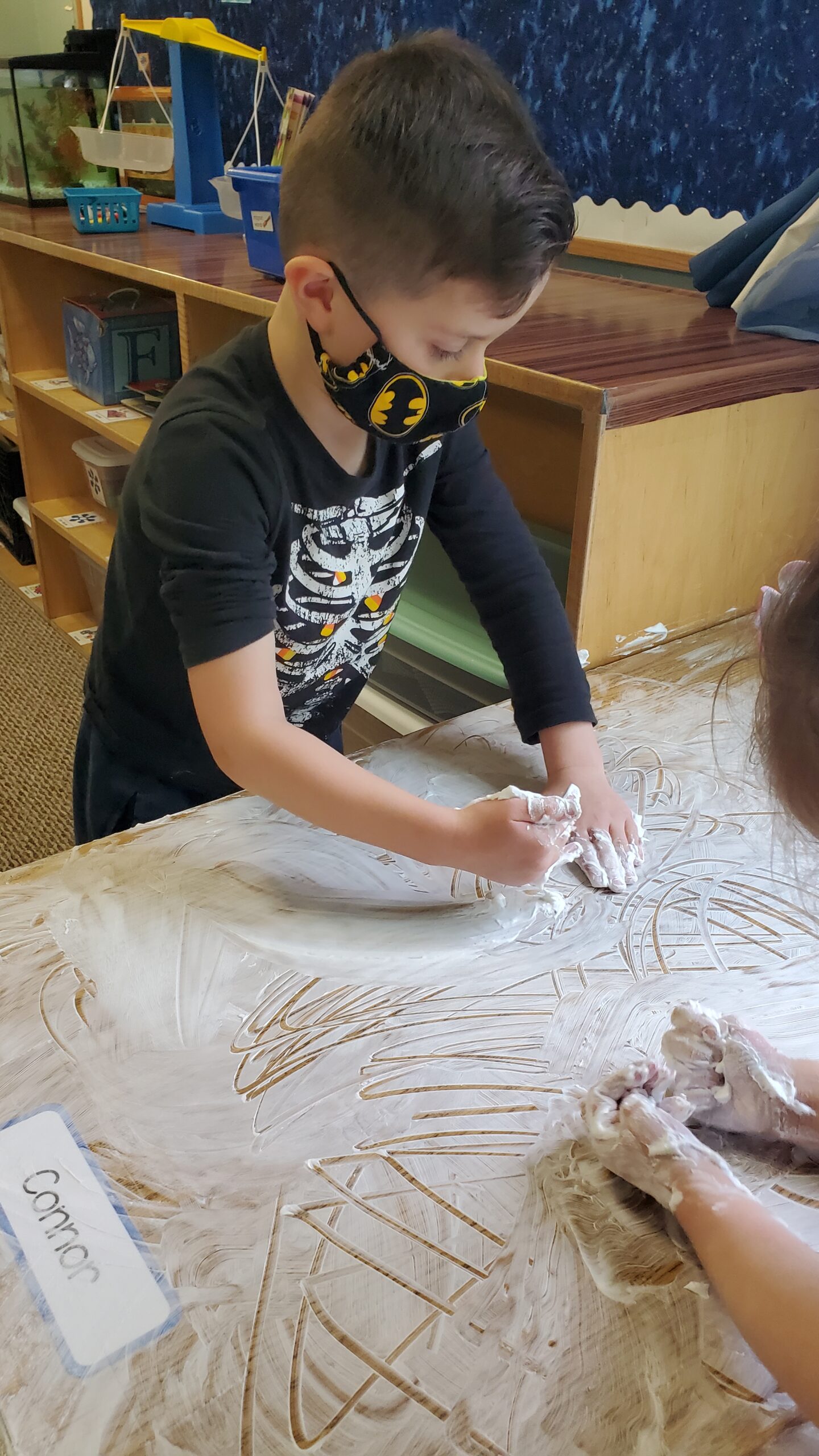
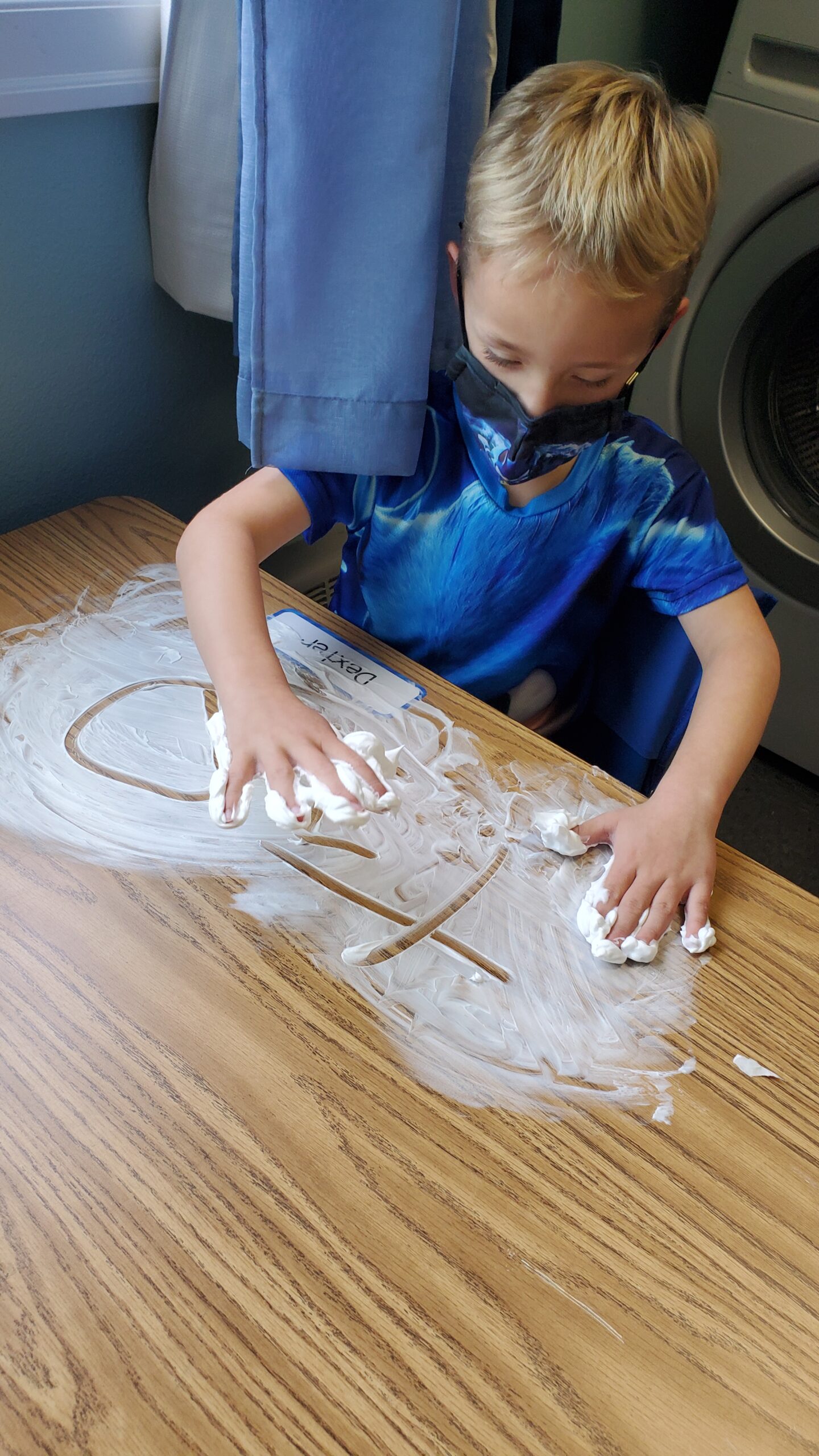 In the life of a young child, sensory play is valuable learning time. All children learn best through “hands on” experiences, but this is particularly true for young children – they learn best with their senses. Children explore by using their hands, eyes, ears, and nose and sense of taste, as they build their understanding of the world in which they live. As children manipulate and experiment with all kinds of interesting materials, they are using their senses explore and have fun, but this kind of play also provides learning experiences and growth within several different areas.
Math and Science: Children have opportunity to grow in their understanding of mathematical concepts such as size, counting, volume, estimation, matching, sorting, etc. Science concepts children can explore may include discovering the properties of different materials, conservation of matter, physical forces such as gravity and motion, etc.
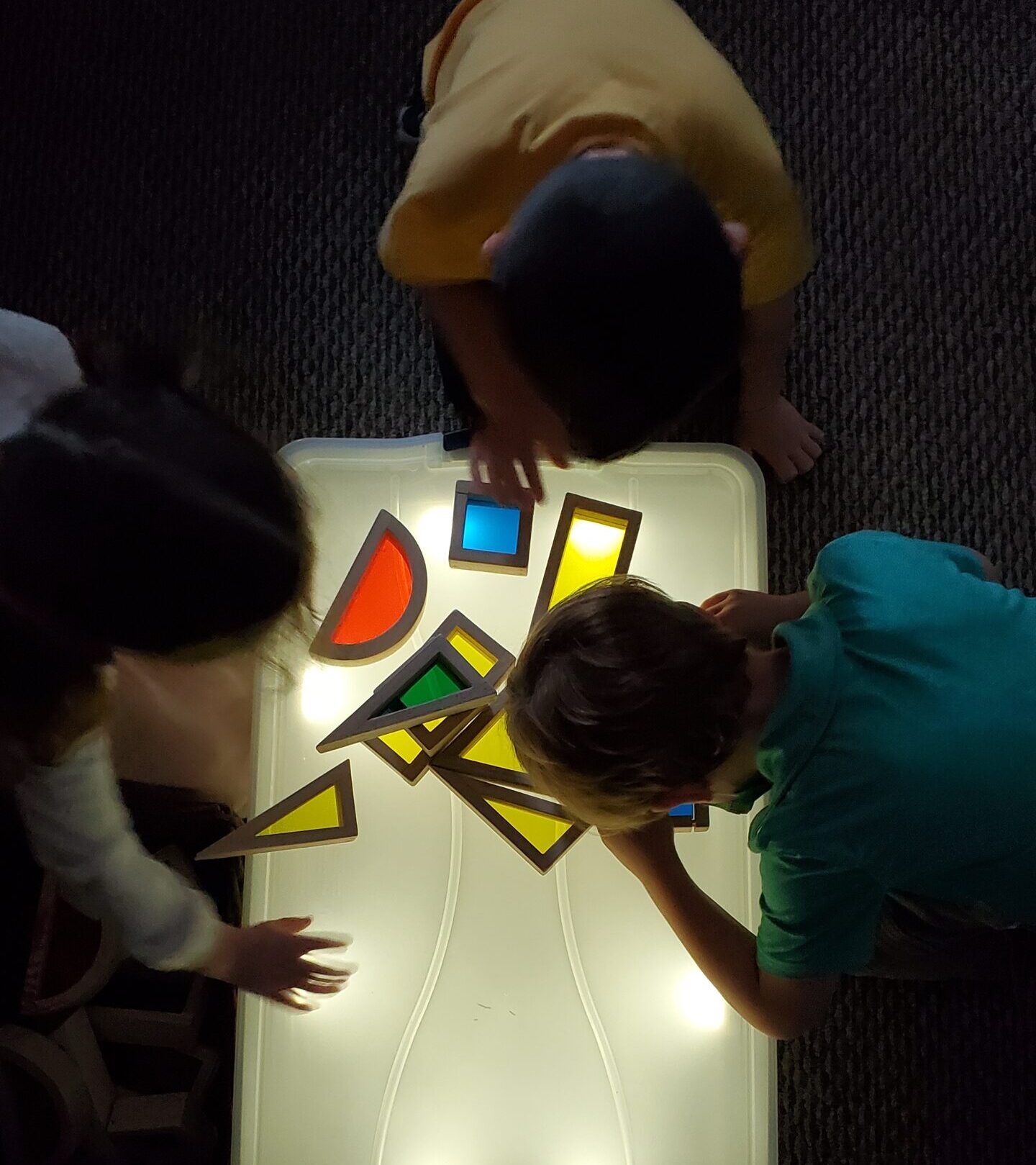 Fine Motor Skills: As children are stirring, squishing, pouring, pounding, and just generally enjoying the materials in the sensory bin/activity, they are building critical strength and dexterity in their hands. Strong and dexterous hands and fingers make the process of learning to write less frustrating for children.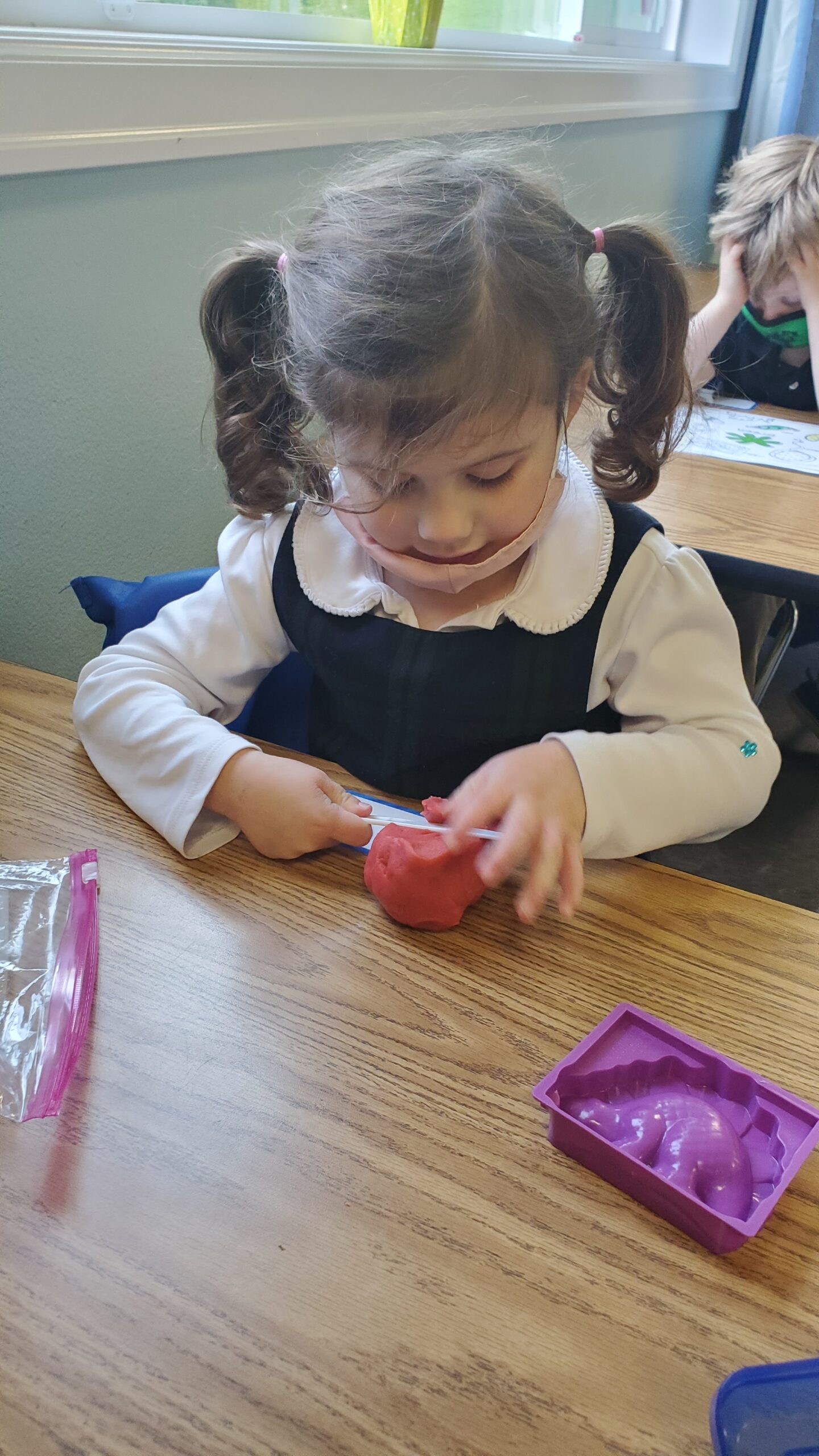
Vocabulary Skills: Sensory exploration naturally lends itself to introducing new descriptive vocabulary to students such as “absorbent”, “crumbly”, or “rough”.
Social and Emotional Skills: Skills such as decision-making, self-control, sharing of resources, using good manners, and other cooperative skills can all be developed as children play with the resources. One of the most valuable aspects of sensory play is that it is open-ended, meaning that there is not a specifically defined outcome. This means that every child is successful, regardless of their cognitive abilities or language skills.
Self-regulation skills: One often-overlooked value of sensory activities is that they invite the children to explore how the materials make them feel. The materials themselves can have soothing tactile properties, and as a child focuses on these sensations, they begin to feel calmer. When they realize that this has helped them, it can then become a tool to help them self-regulate their emotions.
Although sensory play can be a bit messy at times, its powerful contributions to a child’s development and joy of learning is totally worth a little extra cleanup time!